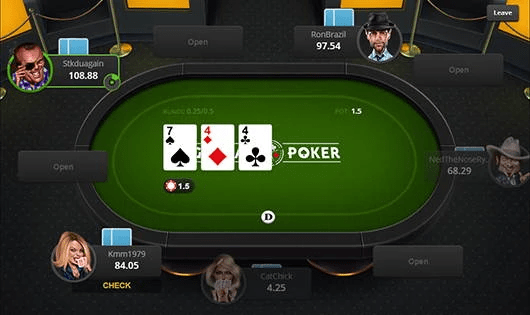
One potential future for roulette is the integration of virtual and augmented reality technologies. This would allow players to immerse themselves in a virtual casino environment and enjoy a more realistic and engaging gaming experience.
Another potential future for roulette is the continued growth of online gaming. As more and more people turn to the internet for their gaming needs, online casinos are likely to become even more popular. This could lead to the development of new and innovative types of roulette games that are specifically designed for online play.
Finally, the continued expansion of cryptocurrency and blockchain technology could also have a significant impact on the future of roulette. As more players look for ways to make secure and anonymous transactions, it is possible that we will see more online casinos accepting cryptocurrencies like Bitcoin as a form of payment.
playtana login
How to Download Register and Master WPT Global: 2025 Ultimate Guide
WPT Global vs GGPoker: Which Poker Platform Should You Choose in 2025?
When and where was the game of roulette first played?
Eligible Countries for EVERYGAME Poker: Join the Action with bonus code
What is the future of the game of roulette?
#1 Real Money Online Casino in the USA 2026
Best Online Casino App
How to win at slots Tricks to improve your odds
Playtana Casino Games Guide: Slots RTP Features and Mobile Play Explained
playtana sweepstakes casino
Top Online Casino Apps of 2025
設定1と設定6の違いを徹底解説:勝ちを狙うための基礎と実践ポイント
カバネリ緑セリフの真相!生駒CZが近い完全解説
One Shot – Freezeout Tournament by WPT Global
Which Casino Apps Actually Pay Real Cash?
Online Casino Welcome Bonus No Deposit 2025
カバネリのミニ画面で近い合図は?
US Online Casinos 2026: Legal States Top Brands & Play Options
Top US Online Casinos 2026: Legal Real Money Sites Revealed
Cory Zeidman Pleads Guilty to Sports Betting Fraud Scheme
playtana sweepstakes casino
What is Hyper Dash in WPT Global?Dive into Quick Thrilling Poker Action!
Top No Deposit Bonus Casinos in 2025: Play and Win Without Spending a Dime
真・景之STの期待獲得枚数は?
Doug Polk Faces Backlash Over Playing in His Own Tournaments at The Lodge
Are Online Casinos Legal in the USA? 2026 State-by-State Guide
Cory Zeidman Pleads Guilty to Sports Betting Fraud Scheme
Which Casino Apps Actually Pay Real Cash?
カバネリの高設定を見抜く方法|設定推測のポイント
WPT Global ¥110 CN¥ Million Sunday Hyper PKO Showdown
How did the introduction of online casinos impact the game of roulette?
playtana login
Trusted Online Casino Apps in the USA Explained (FAQ)
スロット設定見分け方完全ガイド!高設定auftakeの神コツ6選
スロット設定の見分け方|初心者向け判別ポイント
カバネリ設定6の差枚数は?実戦データと判別のポイント
What is TP in WPT poker?
Legit Game Apps That Pay Real Money
カバネリ千本鳥居の前兆期待度は?22G・24Gの目安と注目演出
New Rules for WSOP Paradise: Electronic Devices and Real-Time Assistance
17 Android Games That Actually Pay Real Money in 2026
#1 Real Money Online Casino in the USA 2026
FAQ
playtana
WPT Global Newest Promo: Ticket to Some Additional Play Money
スロット設定の見分け方|初心者向け判別ポイント
Top 5 Online Casinos of 2025: Where to Play and Win Big
What are some famous roulette scandals and controversies throughout history?
カバネリ450G当選率完全解説!設定6なら23.1%で当たる【2026年最新】
スロットの設定判別とは?初心者向けに見方とコツを解説
【完全攻略】カバネリスマスロ設定6の特徴・機械割114.9%・勝率85%を解説
Real Money Gambling Apps in the US: Top Safe Picks 2026
Doug Polk Faces Backlash Over Playing in His Own Tournaments at The Lodge
WPT Global Million Sunday Hyper PKO Showdown: Event Details & Guide
playtana
17 Android Games That Actually Pay Real Money in 2026
Best USA Online Casino 2026: BetMGM Wins Big
カバネリ設定5の特徴をデータで読む
Trusted Online Casino Apps in the USA Explained (FAQ)
Play Online Poker on Android: The 2025 Guide
WPT Global Million Sunday Hyper PKO Showdown: Event Details & Guide
Most Trusted Online Casino in the USA
How to Start Playing Online Poker in 2025: A Beginner’s Guide
カバネリ設定6の平均差枚数は約+3800枚!実戦データで解説
WPT Global Casino: A Fun-Filled Adventure
playtana social casino
Is Online Poker Rigged?
How to Start Playing Online Poker in 2025: A Beginner’s Guide
カバネリスロット オールスター目の確率1/5957.8!激アツ恩恵完全解説
What is TP in WPT poker?
Can I Play GGPoker in the US?
カバネリのサブ液晶が赤く光る理由
WPT Global Bonus Terms: Cashing In Made Simple
カバネリスロットサブ液晶チカチカ!原因は配線不良【2026年最新】
Are Gambling Apps Allowed on iOS?
Is There a Casino on iOS? A Simple Guide
playtana social casino
WPT Global Bonus Terms: Cashing In Made Simple
WPT Global Casino: A Fun-Filled Adventure
Best Casino App for iPhone
WPT Global Tournament Schedule 2025
カバネリ千本鳥居の前兆期待度は?22G・24Gの目安と注目演出
Can I Play GGPoker in the US?
How to Win at Online Slots in 2025 with WPT Global
カバネリ設定5の特徴をデータで読む
Is Global Poker Legit?
スロット設定の見分け方|初心者向け判別ポイント
When and where was the game of roulette first played?
playtana
How to Win at Online Slots in 2025 with WPT Global
カバネリの高設定を見抜く方法|設定推測のポイント
Playtana Sweepstakes Casino Explained: Virtual Coins Social Casino Play and Redemptions
Can You Use Online Casinos in the US?
Is Online Poker Rigged?
How has technology influenced the game of roulette?
Shevliakov’s Comeback Wins Million-Euro Prize! How Did an Amateur Shock Everyone at the EPT Monte Carlo?
Best Mobile Online Casino
カバネリ皮膜レベル確認方法!海門前兆_shortcut完全ガイド
Use WPT777 Bonus Code to Claim Your Special Offer at WPT Global
playtana login
カバネリの設定変更を見抜く! 判別方法と狙い方完全ガイド
How has technology influenced the game of roulette?
iOS vs Android Casino Apps in the USA: What Players Actually Experience
Best Online Casino iOS USA Guide: iPhone Android Browser Play and Casino App Basics
WPT Global vs GGPoker: Which Poker Platform Should You Choose in 2025?
WPT World Championship 2024 Kicks Off at Wynn Las Vegas: What to Expect
スロット設定の見分け方|初心者向け判別ポイント
Playtana Login Guide: Account Access Password Reset and Login Troubleshooting
Timothy Chung: From Birthday Party to WPT Prime UK Champion
Are Online Casinos Legal in the USA? 2026 State-by-State Guide
When and where was the game of roulette first played? The game as we know it today first appeared in Paris in 1796, and quickly gained popularity throughout Europe, especially in the casinos of Monte Carlo. The addition of the zero by Francois and Louis Blanc in the mid-19th century helped to increase the house edge and make the game more profitable for casinos.
Who invented the game of roulette?
playtana
スロット設定7の秘密!設定6を超える爆発性能を完全解説
WPT Globals New Welcome Bonus: Up to $3580 in Rewards
What Is the Snoop Dogg Gambling Site?
Best USA Online Casino 2026: BetMGM Wins Big
Qualify for the WPT Global Main Event via Low Buy-In Satellites
Best Online Casino That Pays Real Money in the US
カバネリ設定5はきつい?勝率と荒波の実態
Top 5 Online Casinos of 2025: Where to Play and Win Big
Shevliakov’s Comeback Wins Million-Euro Prize! How Did an Amateur Shock Everyone at the EPT Monte Carlo?
Can You Use Online Casinos in the US?
playtana casino
Best Online Casino That Pays Real Money in the US
カバネリの高設定を見抜く方法|設定推測のポイント
Which Casino Apps Actually Pay Real Cash?
WPT Global Spring Festival: $7000000 Guaranteed Prize Pool
Best Casino App for iPhone
Can I Play GGPoker in the US?
Best USA Online Casino 2026: BetMGM Wins Big
What is a Rake Chase?
パチスロの設定判別とは?見分ける方法と見極めのコツ
Eligible Countries for EVERYGAME Poker: Join the Action with bonus code
Who invented the game of roulette? The exact origins of roulette are a subject of much debate and speculation among historians and gambling enthusiasts. While there is no clear consensus on the game’s inventor, several theories exist regarding its creation.
One of the most popular theories is that the game was invented by a French mathematician named Blaise Pascal in the 17th century. According to this theory, Pascal was attempting to develop a perpetual motion machine when he inadvertently created the roulette wheel.
How Casino Apps Actually Work: Inside Your Phones Casino
playtana sweepstakes casino
Qualify for the WPT Global Main Event via Low Buy-In Satellites
カバネリのミニ画面で近い合図は?
WPT Global’s Sunday Hyper PKO Showdown: Low Buy-In High Excitement
WPT Global Casino: A Fun-Filled Adventure
カバネリの設定変更を見抜く! 判別方法と狙い方完全ガイド
17 Android Games That Actually Pay Real Money in 2026
US Online Casinos With Instant Payouts
Top Online Poker Tournaments to Watch and Play in 2025
2025 WSOP Explosion! New Formats + Huge Prizes Poker Players Must Not Miss It!
Is Online Poker Rigged?
playtana sweepstakes casino
Is Online Gambling Legal in the USA? 2026 State-by-State Guide
Top Casino Apps in the US 2026: Best Legal Online Gambling Apps
カバネリ2オールスター目の確率1/7281!銅藍CZ濃厚でボーナス期待度78%
Are Gambling Apps Legal in the USA?
カバネリのサブ液晶長押しで何が起きる?パネ振りモードを解説
Real Money Casino Apps on iOS and Android in the USA (FAQ)
Best Online Casino That Pays Real Money in the US
カバネリの設定変更を確認する方法|朝イチの見方と注意点
真・景之STの期待獲得枚数は?
WPT Global Spring Festival: $7000000 Guaranteed Prize Pool
A casino app is like a mobile‑friendly casino you carry in your pocket. Instead of sitting at a computer or in a physical casino, you open the app on your phone and see games such as slots, blackjack, roulette, and video poker laid out in a clean, easy‑to‑tap layout. For example, popular apps like “BetOnline Casino” or “Betway Casino” let you play the same games on your Android or iPhone that you would see on their desktop sites.
カバネリ設定5はきつい?勝率と荒波の実態
playtana sweepstakes casino
カバネリ緑セリフの真相!生駒CZが近い完全解説
How to Qualify for WPT Live Events Online in 2025
Top No Deposit Bonus Casinos in 2025: Play and Win Without Spending a Dime
US Online Casinos 2026: Legal States Top Brands & Play Options
WPT Global Now Title Sponsor For Triton Poker Super High Roller Series
Are Online Casinos Legal in the US?
Are Gambling Apps Legal in the USA?
カバネリ設定6の平均差枚数は約+3800枚!実戦データで解説
設定1と設定6の違いを徹底解説:勝ちを狙うための基礎と実践ポイント
カバネリの設定変更を見抜く! 判別方法と狙い方完全ガイド
playtana social casino
カバネリ450G当選率完全解説!設定6なら23.1%で当たる【2026年最新】
WPT Global Newest Promo: Ticket to Some Additional Play Money
カバネリ天井短縮のゲーム数は?
How to Open an Online Casino in the USA 2026: Complete Step-by-Step Guide
カバネリのサブ液晶示唆完全解説!背景・キリ番・BBランク見破り術
カバネリの設定変更を見抜く! 判別方法と狙い方完全ガイド
カバネリ設定6の平均差枚数は約+3800枚!実戦データで解説
Eligible Countries for EVERYGAME Poker: Join the Action with bonus code
WPT Global ¥110 CN¥ Million Sunday Hyper PKO Showdown
Cory Zeidman Pleads Guilty to Sports Betting Fraud Scheme
Highest Paying Online Casinos in the USA: Real Money RTP & Payouts
playtana sweepstakes casino
How to Start Playing Online Poker in 2025: A Beginner’s Guide
Best Online Casino App
What Gambling Apps Are Legal in the USA? State Guide
Use WPT777 Bonus Code to Claim Your Special Offer at WPT Global
カバネリ2オールスター目の確率1/7281!銅藍CZ濃厚でボーナス期待度78%
カバネリのサブ液晶長押しで何が起きる?パネ振りモードを解説
Who Has the Most WSOP Bracelets?
How has technology influenced the game of roulette?
One Shot – Freezeout Tournament by WPT Global
Phil Ivey Hosts Festive Meet-Up Game at Wynn Las Vegas This December
playtana login
カバネリのサブ液晶示唆完全解説!背景・キリ番・BBランク見破り術
Is Global Poker Real Money?
真・景之STの期待獲得枚数は?
カバネリスロットサブ液晶チカチカ!原因は配線不良【2026年最新】
カバネリ450G当選率完全解説!設定6なら23.1%で当たる【2026年最新】
WPT Global Withdrawal Guide: Cashing Out Made Simple
カバネリスロット オールスター目の確率1/5957.8!激アツ恩恵完全解説
Who Has the Most WSOP Bracelets?
Playtana Casino Guide: Games Login Sweepstakes Play and How It Works
Legit Online Casinos That Pay Real Money USA
Introduction: Which online casinos payout most in the USA BetMGM often ranks as a top-payer for U.S. players, with an average RTP around 96% and some slots hitting 98%. This combination of broad game variety and high return percentages makes it a strong first pick for players seeking real-money payouts. The brand’s regulated presence in multiple states adds a layer of safety and reliability to withdrawals and gameplay. These factors together position BetMGM as a leading option for high-payout online gambling in the United States.
playtana
Best Online Casino iOS USA Guide: iPhone Android Browser Play and Casino App Basics
WPT Global Now Title Sponsor For Triton Poker Super High Roller Series
Real Money Gambling Apps in the US: Top Safe Picks 2026
What is TP in WPT poker?
WPT Global ¥110 CN¥ Million Sunday Hyper PKO Showdown
WPT Global: The Premier Choice for Poker Players
Everygame Poker Review: Your Guide to Online Poker
Can I Legally Gamble Online in the US? 2026 State Guide
Phil Ivey Hosts Festive Meet-Up Game at Wynn Las Vegas This December
Bitstarz no deposit bonus up to 5 BTC and 200 free spins
playtana
Best Android Casino Apps
Paulius Plausinaitis Wins GGMillion$ SHR for $315054
カバネリ設定判別のコツと実戦データ
カバネリ2の天井示唆|サブ液晶の背景で見抜く方法
Which Casino Apps Actually Pay Out? 2026 Real-Money Winners Revealed
How to win at slots Tricks to improve your odds
iOS vs Android Casino Apps in the USA: What Players Actually Experience
Top Online Poker Tournaments to Watch and Play in 2025
1xBet PAGCOR Approved? The Shocking Truth Filipino Players Must Know
Find out which mobile casino app is the best in 2026 with fast payouts huge game libraries secure platforms and beginner‑friendly designs for slots table games and live dealers.
Yes iOS allows gambling apps on iPhone and iPad. Learn Apples strict rules for sports betting casino and poker apps including licensing native iOS requirements age verification and responsible gambling features for DraftKings FanDuel BetMGM users.
The game as we know it today first appeared in Paris in 1796 and quickly gained popularity throughout Europe especially in the casinos of Monte Carlo. The addition of the zero by Francois and Louis Blanc in the mid-19th century helped to increase the house edge and make the game more profitable for casinos.
One of the most popular theories is that the game was invented by a French mathematician named Blaise Pascal in the 17th century. According to this theory Pascal was attempting to develop a perpetual motion machine when he inadvertently created the roulette wheel. While this story is widely circulated there is little concrete evidence to support it.
What is the future of the game of roulette? Playtana Casino – Login, Games & Sweepstakes Casino Guide
playtana social casino
Paulius Plausinaitis Wins GGMillion$ SHR for $315054
Is There a Casino on iOS? A Simple Guide
How did the introduction of online casinos impact the game of roulette?
カバネリの設定変更を見抜く! 判別方法と狙い方完全ガイド
WPT Global Spring Festival: $7000000 Guaranteed Prize Pool
When and where was the game of roulette first played? The game as we know it today first appeared in Paris in 1796, and quickly gained popularity throughout Europe, especially in the casinos of Monte Carlo. The addition of the zero by Francois and Louis Blanc in the mid-19th century helped to increase the house edge and make the game more profitable for casinos.
Who invented the game of roulette? The exact origins of roulette are a subject of much debate and speculation among historians and gambling enthusiasts. While there is no clear consensus on the game’s inventor, several theories exist regarding its creation.
One of the most popular theories is that the game was invented by a French mathematician named Blaise Pascal in the 17th century. According to this theory, Pascal was attempting to develop a perpetual motion machine when he inadvertently created the roulette wheel.